
Last updated November 15, 2026
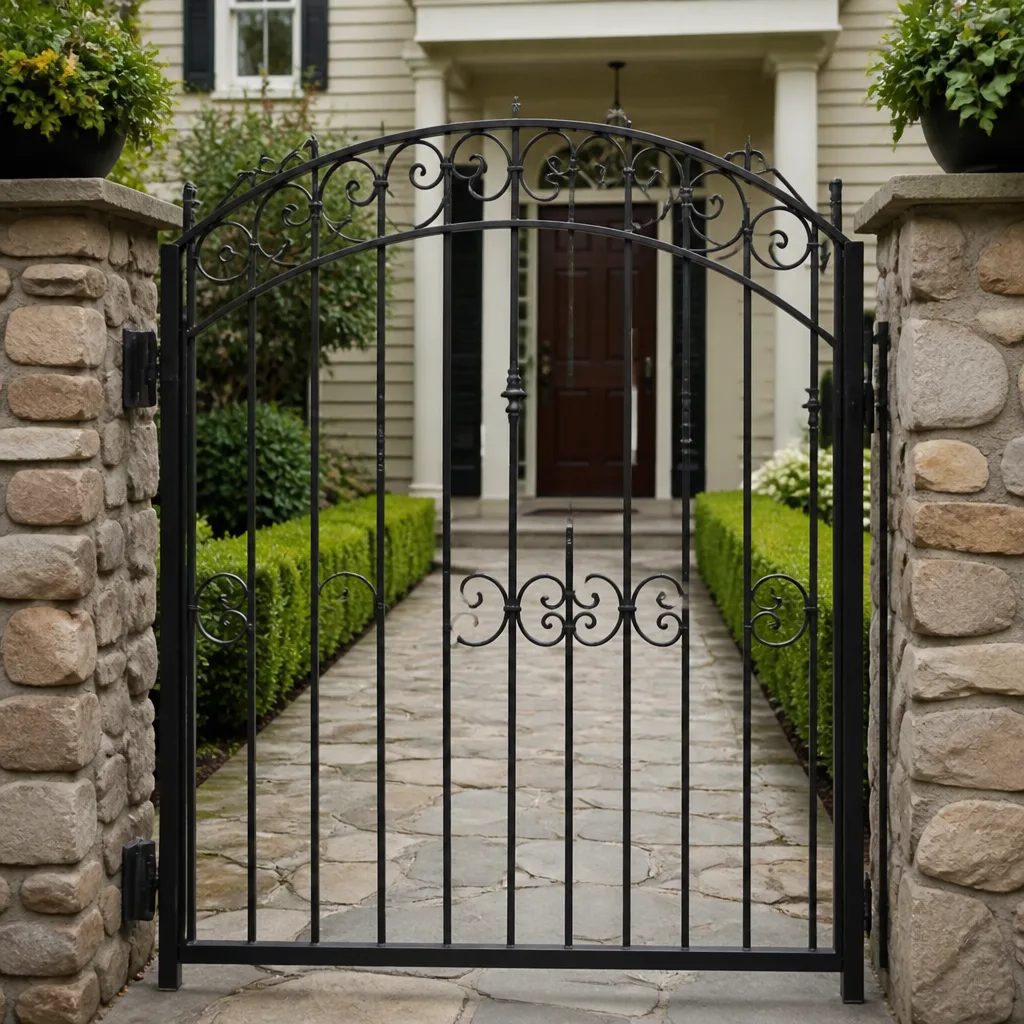 Wrought iron
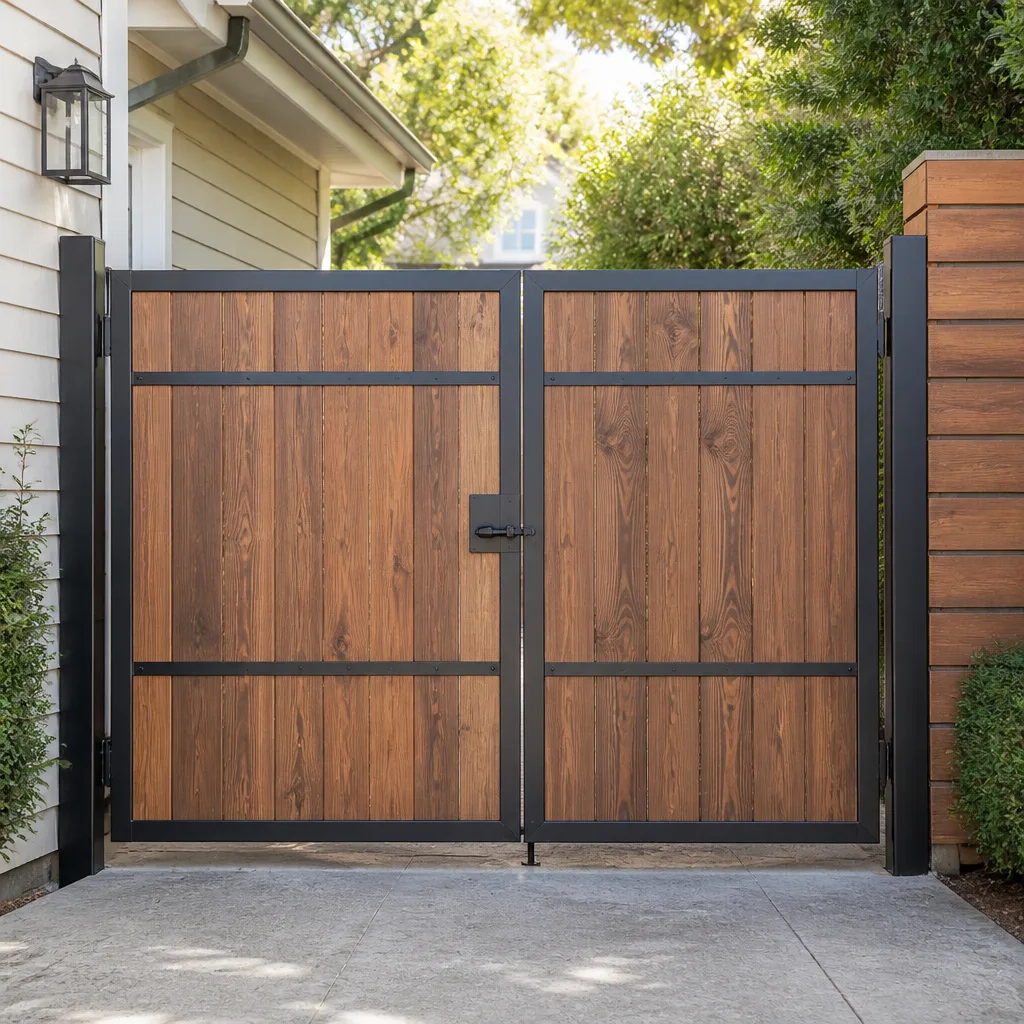 Wood & steel frame
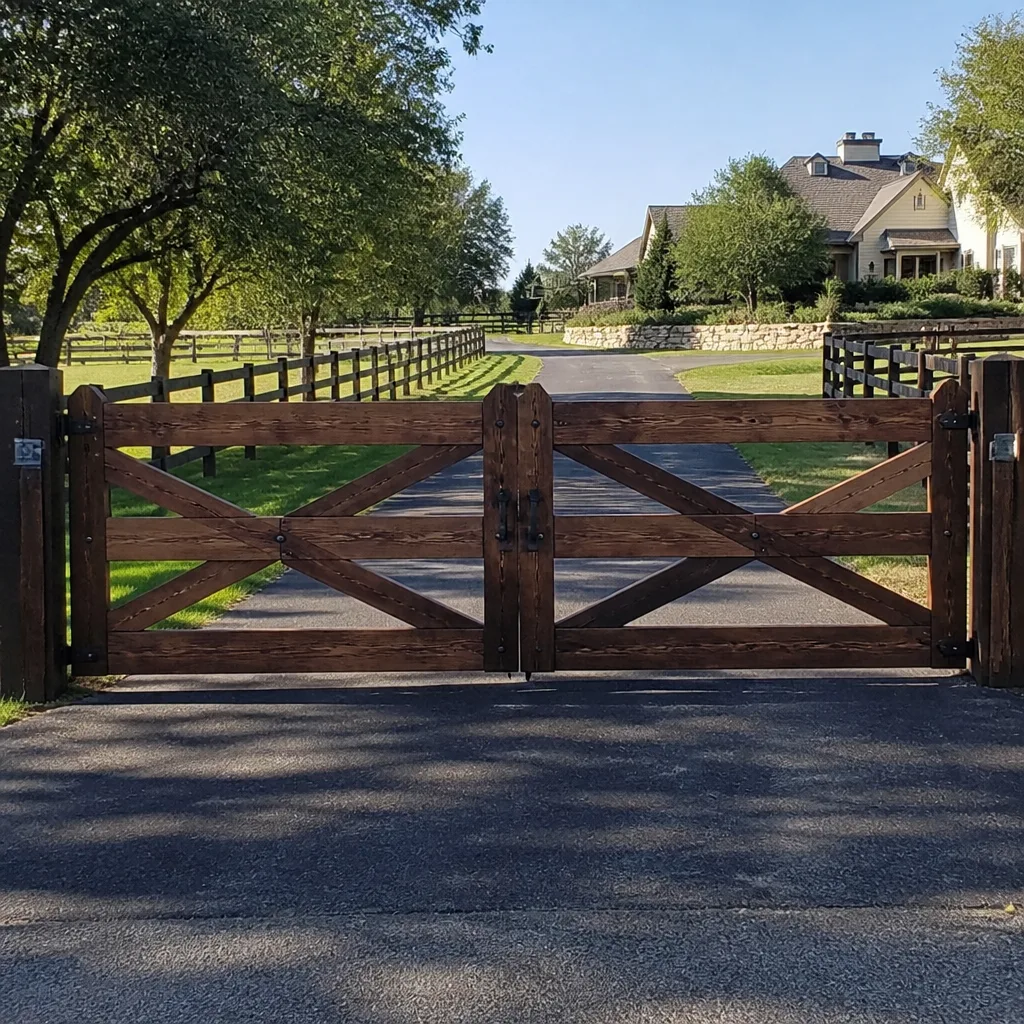 Farm & ranch
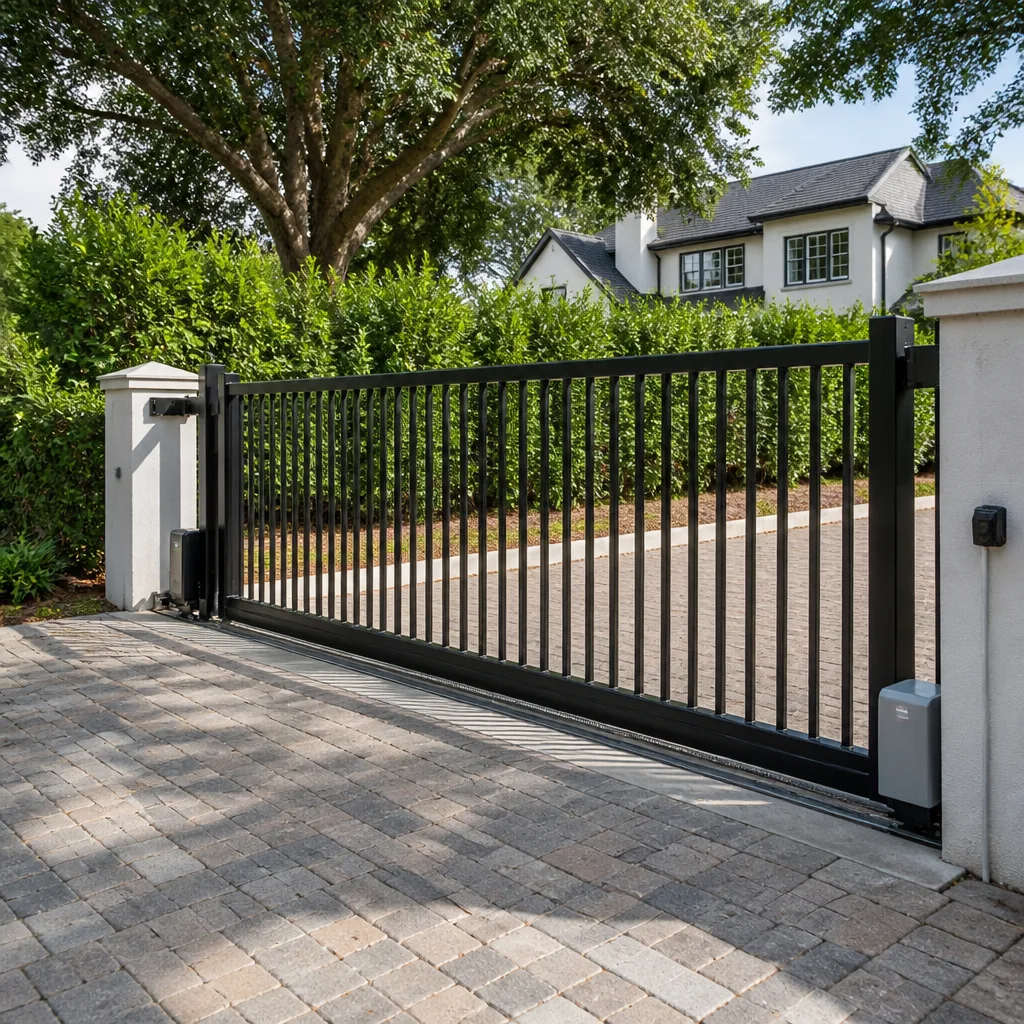 Sliding driveway gates
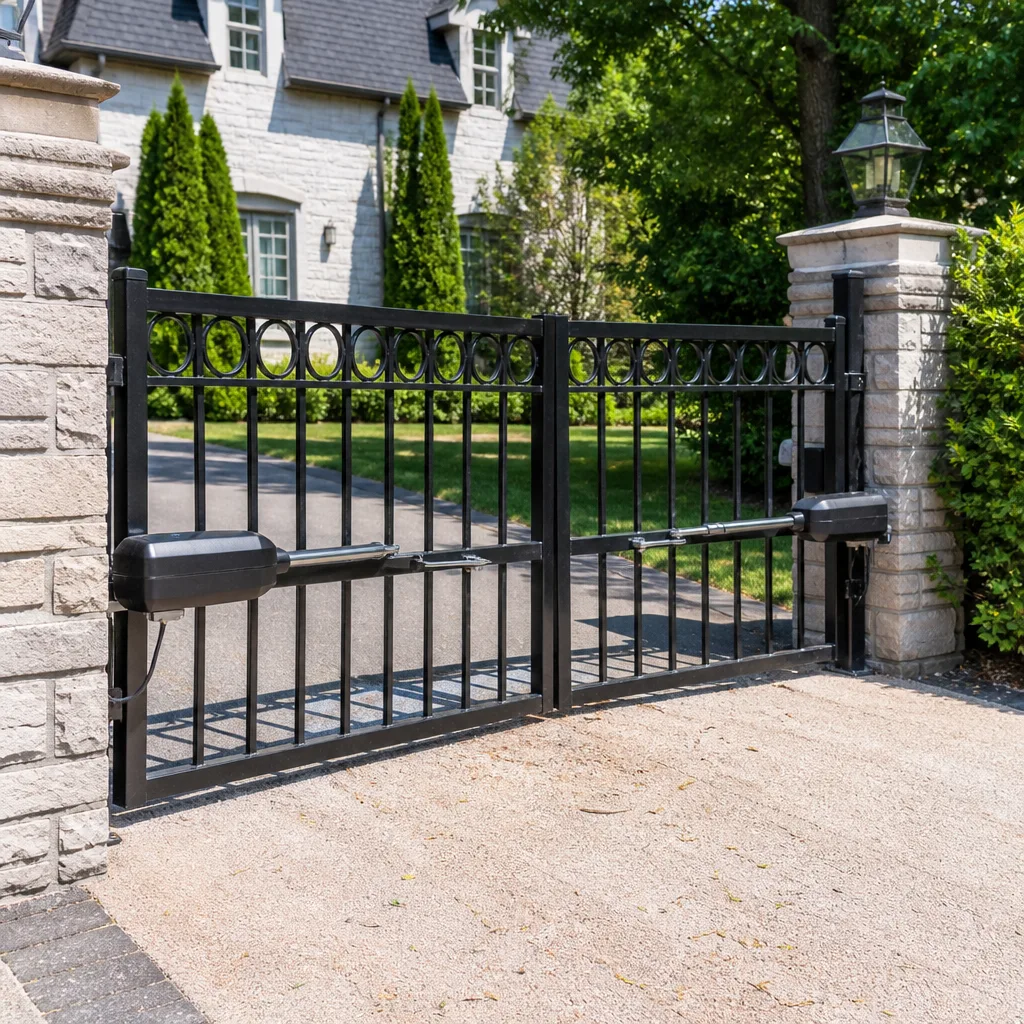 LiftMaster operators
Free on-site gate assessment - hinges, posts, and your LiftMaster or Nice gate operator checked before anything is quoted
The assessment is free and the quote is the invoice.
Get your free estimateHow to Hire a Gate Repair Contractor in Kent: A Step-by-Step Guide
Most property owners in Kent hire a gate contractor the same way they hire a plumber: call the first name that answers, ask what it costs, book the visit. That works fine for a leaking faucet. On an automated gate drive system, it’s how people end up paying twice. Washington State doesn’t require a separate specialty license for gate automation work, which means anyone holding a basic contractor’s ticket can legally bid repair on a DoorKing or FAAC operator they’ve never opened. Qualification isn’t something the state verifies for you. It’s on you to verify.
This guide walks through the exact questions, documents, and quote details that separate a gate specialist from a generalist guessing at your system. You’ll learn how to check brand credentials directly with the manufacturer, how to read an insurance certificate like a gate job actually requires, and how to structure a written scope so a repair quote doesn’t quietly grow into a replacement quote halfway through. It’s written from Kent, for property owners in Kent, with the local conditions that affect gate systems here in mind.
Quick Answer
To hire a gate repair contractor in Kent, verify three things before anyone touches your gate: (1) an active Washington State contractor registration with the Department of Labor & Industries, (2) an insurance certificate that includes completed operations coverage, not just general liability, and (3) confirmed familiarity with the specific brand and model of your operator, verifiable with the manufacturer rather than taken on faith. Then require a written estimate with a separate diagnostic line item and a defined scope. If any of those three checks fails, stop.
Styles & brands we work with
- Wrought iron
- Wood & steel frame
- Farm & ranch
- Sliding driveway gates
- LiftMaster operators
Table of Contents
- Why Gate Repair Isn’t a General Contractor Job
- Step 1: Verify Licensing and Insurance in Kent
- Step 2: Confirm Brand Certifications Directly
- Step 3: The Fault Code Test
- Step 4: Read the Insurance Clause for Automated Gate Work
- Step 5: How to Read a Gate Repair Quote
- Step 6: Structure the Job Scope in Writing
- Common Mistakes to Avoid
- When to Call a Professional
- Frequently Asked Questions
- The Bottom Line
Why Gate Repair Isn’t a General Contractor Job
An automated gate is two trades fused into one device. On one side you have mechanical load: hinges, rollers, tracks, panel weight, and the physical path the gate travels. On the other side you have electrical control: a motor, a control board, safety edges, photo eyes, limit switches, and often a low-voltage loop buried in the ground. A contractor who works on fences all day knows the first half. A contractor who wires houses knows the second half. The overlapping skill set, diagnosing where the mechanical and electrical problem meet, is what makes Gate Repair Kent a specialist rather than a general service call.
That distinction matters most on electric gate repair. A gate that stops halfway might be a failed limit switch, a board fault, a bad safety edge, a loose motor coupling, or a power problem upstream of the operator. A generalist has no way to isolate which. So they guess, replace a part, and bill you. If the gate moves again, the customer assumes it’s fixed. Three weeks later it isn’t.
There’s also a warranty problem. Most gate operators carry a manufacturer’s warranty that assumes proper installation and service. Work done improperly, or work done by someone not qualified to service that system, can put that warranty in question. That’s not a scare tactic. It’s on page one of most operator manuals.
Kent property owners should also know their own market. Homes across East Hill, Panther Lake and the Kent Valley are spread across a big range of property ages, and so are the gates on them. A newer subdivision gate with a Ghost Controls operator and a 1990s-era commercial property with a DoorKing system need entirely different diagnostic approaches. A contractor who can’t tell you which one they’re looking at before the visit starts isn’t ready for the job.
Step 1: Verify Licensing and Insurance in Kent
Start with the registration. Any contractor working in Washington State for compensation must be registered with the Department of Labor & Industries. That registration isn’t a specialty gate license, which is the point: it’s the baseline, and every contractor bidding on your gate should have it. Verify it on the L&I website directly rather than a screenshot the contractor sends you. Screenshots expire; the database doesn’t.
Confirm the following before the visit:
- Active registration with a status that shows current, not lapsed.
- Business name matching the name on the quote and the insurance certificate.
- Liability coverage that is current as of the date you hire them.
- Workers’ compensation if the contractor has employees, which nearly all do for install work.
What you’re looking for in the insurance part is not just the coverage amount. You want the certificate to name the type of coverage. We’ll cover the specific clause that matters for automated gates in a later section, because it’s the single most overlooked item on the certificate.
One Kent-specific point: if your property is inside city limits, parts of the work may need a permit, and the person pulling the permit is usually your contractor. Ask who pulls the permit before hiring, and confirm that answer when you get the quote in writing. If the contractor says no permit is needed on a new installation or a full electrical replacement, ask them to confirm that in the estimate, and then call the city yourself to check. That exchange takes five minutes and prevents a much longer one later.
Step 2: Confirm Brand Certifications Directly
Here’s where most hiring decisions break down. A contractor says “we work on all brands” and the homeowner believes it. In practice, “all brands” usually means “every brand we’ve ever touched,” and the depth of that experience varies enormously. A residential-grade gate repair contractor who handles Ghost Controls and Mighty Mule drives every day may never have opened a commercial DoorKing board. A commercial access-control company running FAAC and DoorKing every week may go months without seeing a residential operator.
The five brands that matter most on this question are LiftMaster, FAAC, Viking, Linear, and DoorKing. Not because they’re the only ones, but because those five tend to divide specialists from generalists. Each one has its own diagnostic software or fault code behavior, its own control board layout, and its own limit-setting procedure. When a technician knows those things, the visit goes faster and the repair holds. When they don’t, the visit turns into a trial-and-error session on your property.
How to verify directly, not simply take the contractor’s word:
- Ask for the brand name of your operator first. Not “automated gate.” The specific brand.
- Ask for the model number. It’s usually on a label inside the operator housing or on the motor unit itself.
- Call the manufacturer’s customer support line yourself. Tell them the brand, the model, and the contractor’s business name. Ask whether the contractor is listed in their service network or has confirmed experience with that system. Not all manufacturers will share this; but many will confirm whether a contractor has been registered with them or serviced their equipment.
- Ask the contractor what diagnostic codes your model produces when it fails. A qualified tech will usually name two or three without hesitation.
- Cross-check with the manufacturer’s own documentation. Every brand publishes a manual with a diagnostic code table. If your contractor can’t walk through that table, they aren’t working from the manual.
We’ve built our service around working on the brand already on your property rather than around it, which is why our technicians are experienced across LiftMaster, FAAC, BFT, Linear, Viking, Ghost Controls, DoorKing, Elite, and Mighty Mule. That range matters specifically because the property types in Kent don’t cluster. A residential gate in a Panther Lake subdivision and a commercial gate off Pacific Highway may sit under entirely different operators, and both may need service in the same week.
Step 3: The Fault Code Test
Here’s a simple test that rules out about half the contractors you’ll talk to in Kent before they ever arrive at your property. Describe the symptom to the person on the phone and ask them two questions:
- What fault codes does my operator typically produce when it fails this way?
- What are the three most likely causes of that code on my model?
A gate specialist can usually answer both from the description on the phone. They’ll ask you the brand, the model, and what the gate is doing at the exact moment it stops. From there they’ll name a short list: limit switch, safety photo eye alignment, motor coupling wear, board fault, power supply, or a control loop issue. A generalist will say “we’ll need to come out and take a look” and mean it, because they genuinely don’t know.
That’s not a knock on general contractors. It’s a specific limit of a general contractor’s experience. They don’t have the model-specific memory of a gate specialist because they aren’t running gate diagnoses every week. On a simple manual gate, that difference may not matter. On an automated gate under real daily use, it’s the difference between a one-visit fix and a three-visit guess.
The other disqualifier: anyone who quotes a price over the phone without asking the brand and model first. A flat “gate repair starts at $X” call, before knowing what system they’re working on, is a sign the person on the other end is pricing the visit, not the job. There’s a difference between an honest ballpark and a made-up number, and the questions they ask tell you which you’re getting.
Step 4: Read the Insurance Clause for Automated Gate Work
General liability coverage is the baseline insurance you check on any contractor. It’s necessary but, for automated gate work, it is not enough. The coverage you’re actually looking for is completed operations coverage, sometimes listed as “products-completed operations” on the certificate of insurance.
The distinction sits in the timing of the loss. General liability coverage typically protects the contractor for damage that occurs during the work, such as someone injured on the site while the gate is being serviced. Completed operations coverage protects the contractor for damage that occurs after the work is finished, when the property owner later discovers the gate failed because of a poor repair. That’s the exact scenario that matters on a gate job: an operator that seemed fine the day the technician left, then failed three weeks later and hit a vehicle, a person, or a fence.
For automated gates specifically, that time-delayed failure scenario is common. A gate can pass a test cycle on the day of service and then fail on the 500th cycle, when a component the technician missed finally gives out. Without completed operations coverage, the contractor may have no insurance obligation for that loss, and the property owner is left to work it out directly. Completed operations coverage is what stands behind the work after the technician drives away.
Ask for the certificate of insurance directly, from the insurance agent, not from the contractor. Look for three things on the certificate: general liability, completed operations, and the effective dates. If the certificate doesn’t mention completed operations, ask whether it exists under a different name on a separate form. If the contractor can’t produce it, that’s a real answer, not a technicality.
This also applies on the electrical side. Any electric gate repair that touches the low-voltage control wiring or the 120-volt supply is electrical work. Ask the contractor directly whether they handle the power side of gate work or subcontract it. If they subcontract, know who the subcontractor is and check that person’s coverage too. On larger commercial property in Kent, this is a common gap: the gate company does the mechanical work, a separate electrician handles the electrical, and nobody’s coverage overlaps the seam.
Step 5: How to Read a Gate Repair Quote
A gate repair quote has a shape. When it’s built right, you can read the diagnosis in it. When it’s built wrong, the missing line items tell you as much as the present ones.
Compare these two versions of a quote for the same gate fault:
- Quote A: “Gate repair – $450 flat.”
- Quote B: “On-site diagnostic and fault code read – $0 (included in estimate). Diagnosis: limit switch failure at close position, confirmed against manufacturer code chart for [model]. Replacement switch, labor to install and re-limit the operator, full test cycle – $X. Note: if the motor coupling shows wear during repair, we will not replace it without your approval.”
Quote A is a guess dressed as a price. Quote B tells you the technician diagnosed, knows the model, and plans to respect the scope. The inclusion of a diagnostic line item, even at zero, is the point. A specialist includes it because diagnosis is a real step in the process. A generalist prices the visit and hopes the work inside it goes smoothly.
Look for these red flags on any quote:
- Flat-rate “gate repair” pricing with no diagnosis line item, no reference to your specific model, and no stated cause of failure.
- No written estimate before work begins – the price must be agreed before any technician starts.
- “We’ll see what we find when we get there” as the primary pricing structure. That’s fine for genuine unknown job sites; it’s not fine as the standard answer for a repair that has a known diagnostic path.
- Prices given over the phone before the technician has asked about your brand and model.
- No mention of the safety edge or photo eyes on an automated gate quote. Any repair quote on an automated gate should confirm the safety devices are tested after the work. If they aren’t mentioned, ask.
We work from written estimates for every job, including electric gate repair, because the written estimate sets the final price. That’s the point of it. Anything beyond the scope is agreed before it happens, not after the invoice.
Step 6: Structure the Job Scope in Writing
Here’s the hidden cost most homeowners miss on a gate service call. It’s not the diagnosis. It’s the “while I was in there” charge. A technician opens the operator, diagnoses a limit switch, then decides the motor coupling looks worn, then notices a safety photo eye misaligned, and by the end of the visit the invoice has grown without any of it being discussed. On a small job, this adds a few hundred dollars. On a full automation system, it can double the cost.
The fix is to structure the job scope in writing, before anyone arrives. A well-structured scope has five parts:
- The problem as you’ve observed it. Plain description of the symptom: what the gate does, what it doesn’t do, when it fails.
- The diagnostic scope. What the technician will inspect and test on the visit. On an automated system, that typically includes the operator, control board, drive mechanism, safety edges, photo eyes, and limit positions.
- The repair scope. What is being fixed as part of the quoted price. This is where the diagnosis and the repair line items live.
- What’s out of scope. Anything the technician might find that would need separate approval, at a stated or quoted price. The point isn’t to list every possible failure; it’s to establish the principle that anything outside the scope requires your sign-off.
- What happens if the fault is not what it seemed. If the diagnosis reveals a different problem than the phone description suggested, the technician stops, quotes the new work, and waits for approval. You should see that language in the scope.
On commercial property or an HOA gate serving shared access, add one more part to the scope: a defined return-to-service test. The scope should include a full open-close cycle test after the repair, with the safety edges and photo eyes verified to be operational. If the gate serves anyone other than the immediate household, that final test is not optional. It’s the reason a specialty service exists.
Step 7: What Installation Quotes Need That Repair Quotes Don’t
If the visit ends with a new gate rather than a repair, the hiring checklist changes. A new installation isn’t a diagnostic job. It’s a project with site conditions, delivery timing, and a longer schedule, so the questions you ask the contractor shift accordingly.
What an installation quote should include before you sign:
- A site visit and written measure, not a phone quote. Ground conditions, the gate travel path, and where the operator sits relative to the hinge line matter and can’t be judged from a description.
- The specific operator brand and model proposed, with the reasoning for that choice on your property type.
- Power and control scope spelled out. Who runs the low-voltage loop? Who handles the 120-volt supply? Is the safety edge or photo eye included, or an add-on?
- Permit responsibility. Most cities require permits for gate installations and electrical work, so confirm who pulls it.
- A defined timeline for measure, order, delivery, and install.
Notice the missing item on this list: same-day service. New installations take time to measure, order, and schedule. Any contractor promising a same-day new gate or same-day operator replacement hasn’t thought through the delivery timeline. That’s a scheduling sign. Repair work can be quick, but install work runs on parts, permits, and daylight.
Our Kent install clients typically want to know two things before signing: whether we handle the full install or just the operator, and whether the crew tests the safety edge after installation. Both should be in the written quote. If they aren’t, ask and get the answer in writing before signing.
Common Mistakes to Avoid
- Hiring on phone price alone. The cheapest phone quote is almost always the price for the visit, not the repair. The actual cost of a misdiagnosed gate is the second visit, the second part, and the time your access was out of service. Ask for the diagnostic path first, not the price.
- Skipping the L&I database check. A contractor’s registration status can lapse and be reinstated; the number on the van doesn’t tell you which it is. Check the database the same day the quote comes in, not after the work.
- Accepting “we work on all brands” without asking which brand is on your gate. “All brands” is an answer to a question you didn’t actually need to ask. The question you do need to ask is which operator is on your property, and how much experience the contractor has with that specific model.
- Not checking for completed operations coverage. General liability alone leaves the post-repair failure uncovered. On an automated gate, that’s the failure most likely to happen, and it’s the one that hits after the technician has left.
- Agreeing to a scope with no “out of scope” clause. Without it, the technician’s judgment call on-site becomes a change order you didn’t approve. The scope in writing is what prevents the bill from growing.
- Ignoring the electrical seam between mechanical and electrical work. On a commercial property in Kent, the gate contractor may subcontract the power run. If nobody coordinates the two, the gate can test fine mechanically and still not work when the electrical is energized.
- Waiting until the gate is dead to call anyone. A gate that’s slowing, sticking, or throwing a fault code is telling you something. Call while the gate is still moving. A diagnostic visit on a functioning gate is cheaper and faster than an emergency visit on one that’s stopped.
When to Call a Professional
Some gate problems are obvious enough that waiting is a mistake. Call a professional if the gate is stopping mid-travel, if the motor runs but the gate doesn’t move, if the operator throws a fault code, if the gate reverses unexpectedly, if the safety edge or photo eye no longer detects an object, or if the control box has any sign of moisture, heat, or burnt wiring. On a gate serving a home, an HOA, or a commercial property, a stuck gate is a security and liability problem, not just an inconvenience.
The electrical side is where we’d push you hardest to call rather than investigate. Automated gate operators run on live mains power and control boards that can hold a charge after the breaker is off. The dangerous parts are the wiring inside the operator housing, the power supply, and the heavy panels that can crush if the operator suddenly releases. A technician trained on that specific system knows how to isolate power safely and test the control loop before touching anything. A homeowner with a screwdriver and a YouTube video doesn’t.
Gate Repair Kent offers free estimates in Kent. Call (855) 360-7358 to book one. We answer 24/7. Fast dispatch from 7am to 7pm, Sunday through Friday. Same-day service is available for gate repair and electric gate repair. Our technicians have up to 12 years of experience, and they work on residential and commercial systems alike, including Ghost Controls, Mighty Mule, Elite, and DoorKing.
Frequently Asked Questions
Look up the contractor’s registration number on the Washington State Department of Labor & Industries website and confirm the registration is active. The business name on the registration must match the name on the quote and on the certificate of insurance. Washington doesn’t issue a separate specialty gate license, so the L&I check confirms the contractor is registered, not that they specialize in gates. To confirm specialty experience, ask for the brand and model of your operator and verify their experience with the manufacturer directly. Call (855) 360-7358 to talk through a free estimate.
General liability plus completed operations coverage. General liability covers damage that occurs during the work. Completed operations covers failures that show up after the work is finished, which is the common failure mode on automated gates. Ask for the certificate of insurance from the contractor’s agent, and confirm “products-completed operations” appears on it. If it doesn’t, ask where that coverage lives before you sign. Call (855) 360-7358 for a free estimate on any gate repair need in Kent.
Same-day service is available for gate repair and electric gate repair. Call (855) 360-7358 for a free estimate. Fast dispatch runs from 7am to 7pm, Sunday through Friday. If the gate fails outside dispatch hours, the call is booked into the next opening. New gate installations aren’t same-day work; they need a site visit, a written measure, and scheduling for parts and permit. Call (855) 360-7358 to book a free estimate.
We work on LiftMaster, FAAC, BFT, Linear, Viking, Ghost Controls, DoorKing, Elite, and Mighty Mule. That range covers residential-grade automation like Ghost Controls and Mighty Mule alongside commercial-grade systems like FAAC, BFT, and DoorKing. The benefit is that you’re talking to a technician who knows the specific system on your property rather than one learning it on your driveway. Call (855) 360-7358 for a free estimate.
Structure the job scope in writing before the visit, with a defined diagnostic section, a defined repair section, and a clause that anything outside the scope needs your approval at a stated price. That clause is what protects you. It’s standard practice on a well-built estimate and it should appear on any quote you sign. Gate Repair Kent works from written estimates, and the price is quoted and agreed before any work starts. Call (855) 360-7358 for a free estimate.
We’re closed Saturday. Our dispatch hours are Sunday through Friday, 7am to 7pm. If a gate fails over the weekend, call (855) 360-7358 and we’ll book the job into the next opening. We answer the phone 24/7, and the call is booked into the next Sunday-through-Friday slot. Free estimates are available; the visit price is set by the written estimate.
A full installation typically covers the site visit and measure, the operator and gate hardware selection, the mechanical and electrical install, the low-voltage loop and control wiring, the safety edge and photo eye setup, and a full test cycle. The exact scope should be in the written estimate before you sign. On a Kent property, that scope should also state who pulls any required permits and when delivery is scheduled. Call (855) 360-7358 for a free estimate.
That’s a question to settle in the quote. On a new installation, both the power side and the safety edges should be explicitly in scope, with a named party responsible for each. If any of it is subcontracted, the subcontractor should be identified and their insurance confirmed. Our install estimates define both the power and safety-edge scope before the job is scheduled. Call (855) 360-7358 for a free estimate.
The Bottom Line
Hiring a gate contractor in Kent comes down to three verified facts and one written document. Verify the L&I registration, verify completed operations coverage on the insurance certificate, and verify the contractor’s experience with your specific operator brand directly with the manufacturer. Then get the scope in writing, with a diagnostic line item, a repair scope, and an out-of-scope clause. That’s it. The six-step structure in this guide protects you against the exact failure modes we see most often: unverified registration, missing coverage, misdiagnosed faults, and scope creep on a live service call. The equipment on your property is worth protecting. A five-minute check on the database, a phone call to the manufacturer, and a written estimate prevent the costliest hiring mistakes.
Gate Repair Kent works on the brand already on your property. From the motor to the hinge, residential or commercial, automated or manual, the goal on every job is the same: your gate is back in service. Call (855) 360-7358 for a free estimate. We answer 24/7. Fast dispatch from 7am to 7pm, Sunday through Friday. Closed Saturday.
Written by the team at Gate Repair Kent.
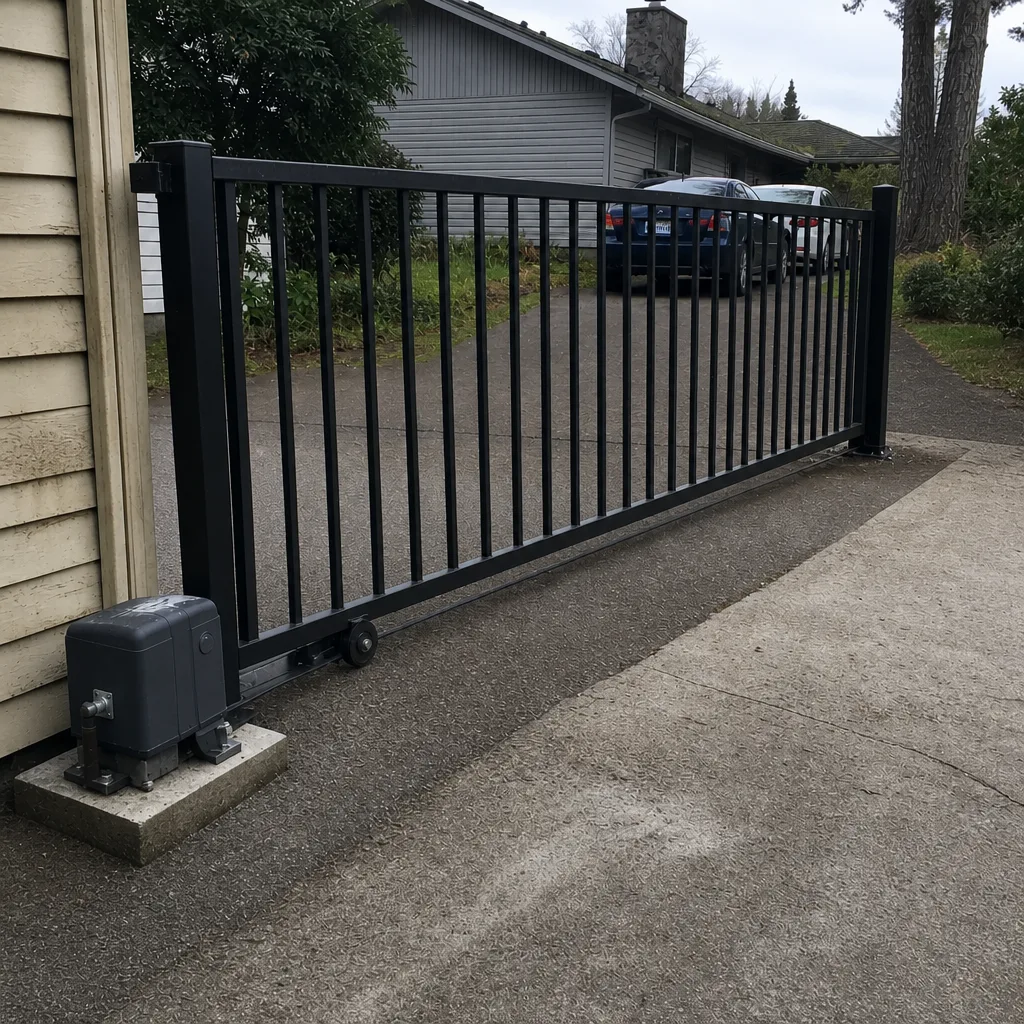
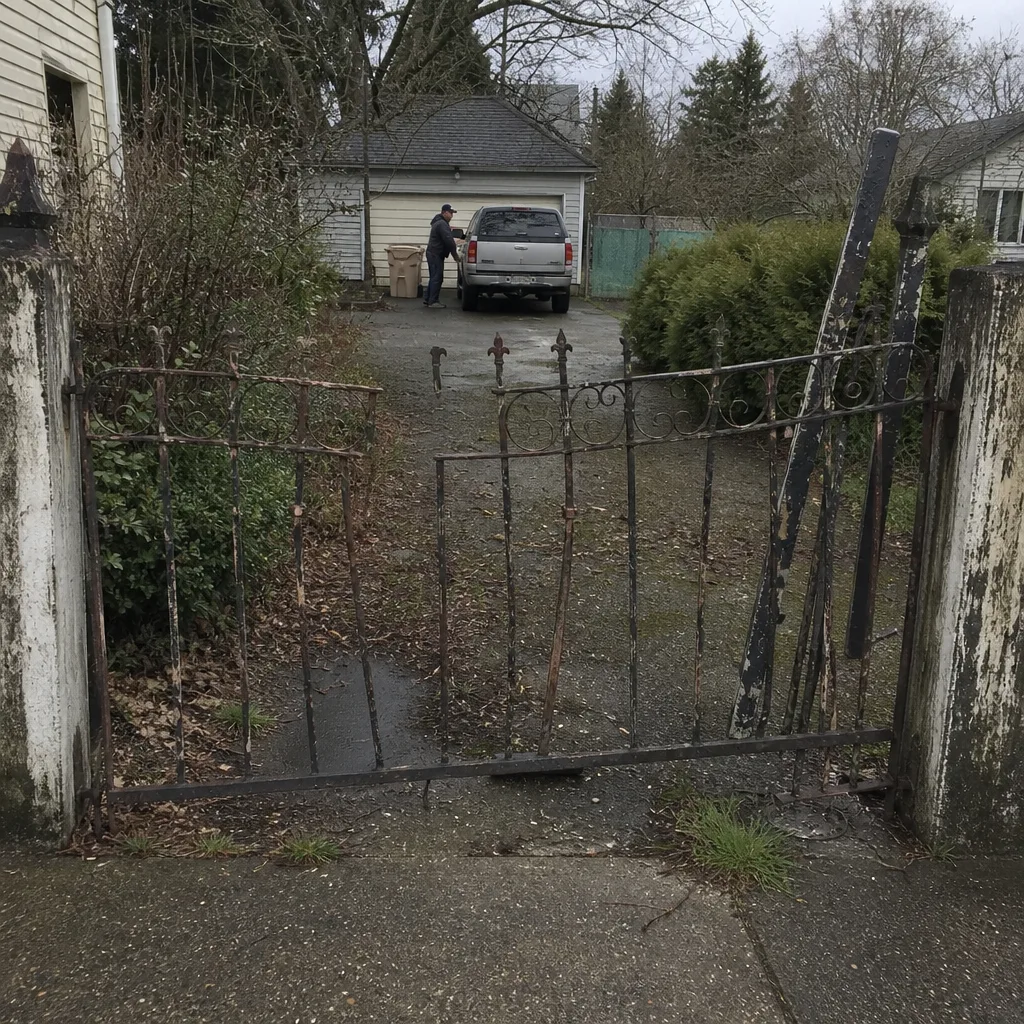
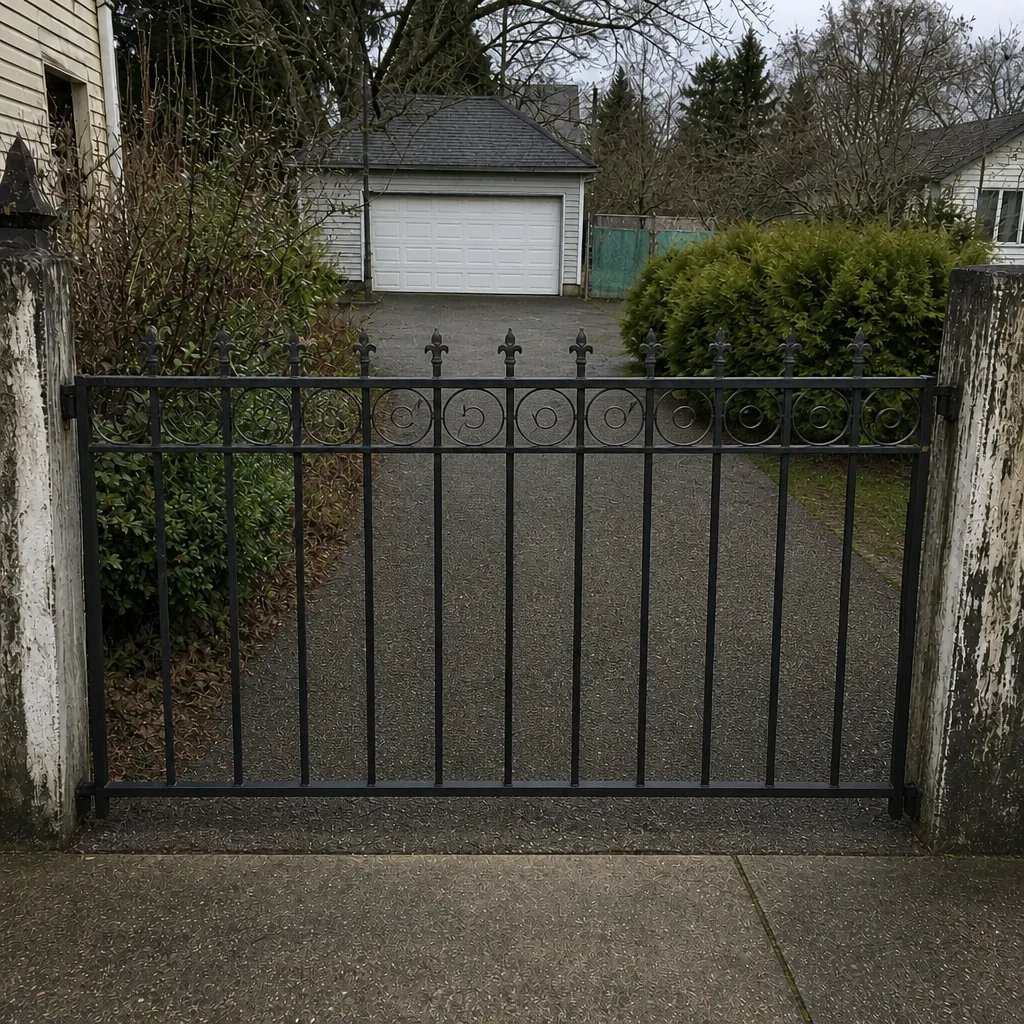
See the difference
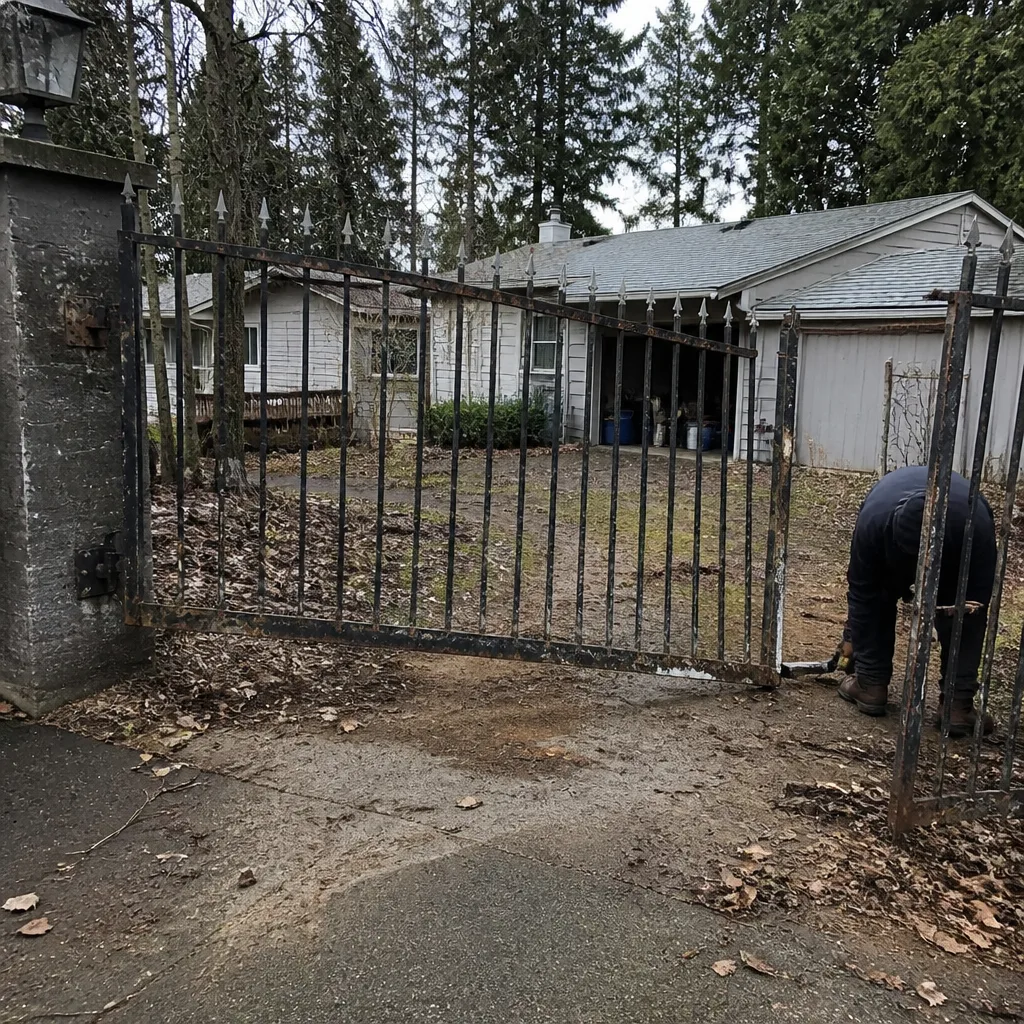 Before
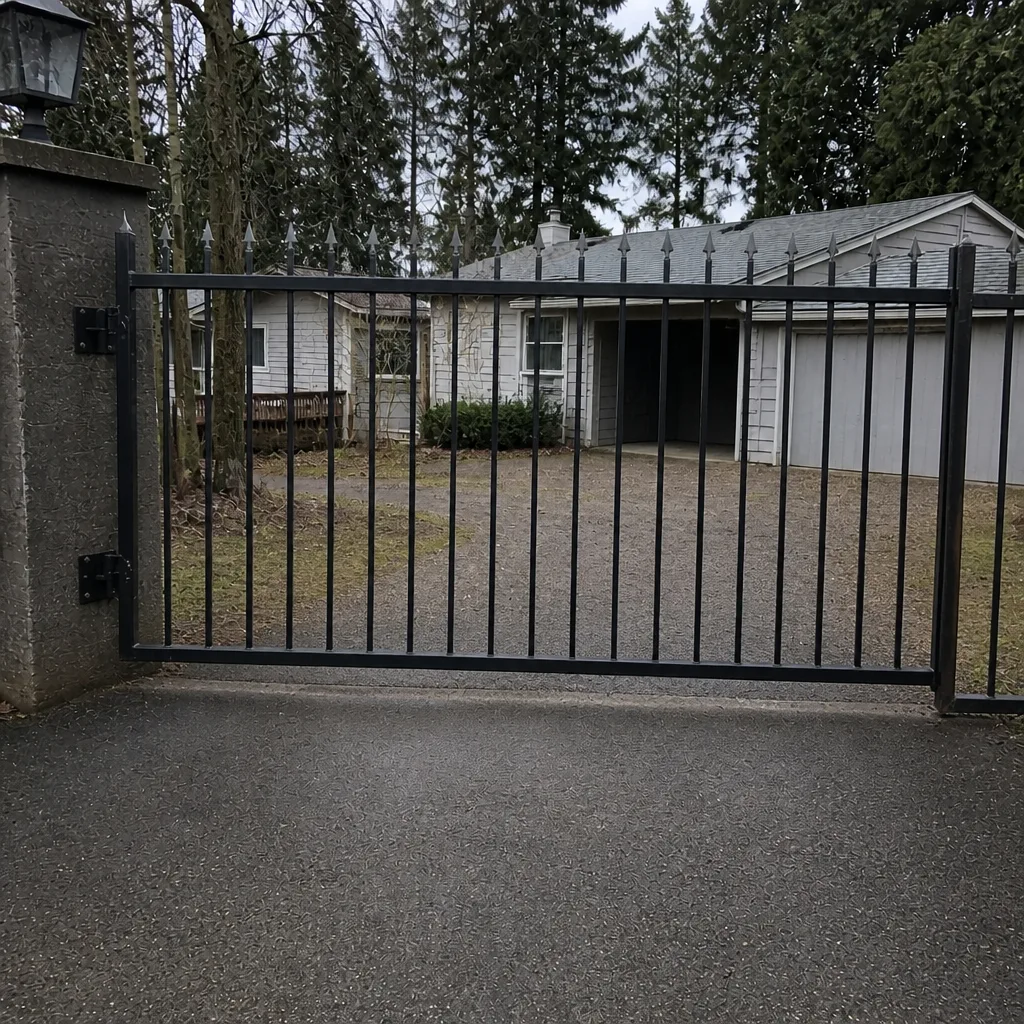 After
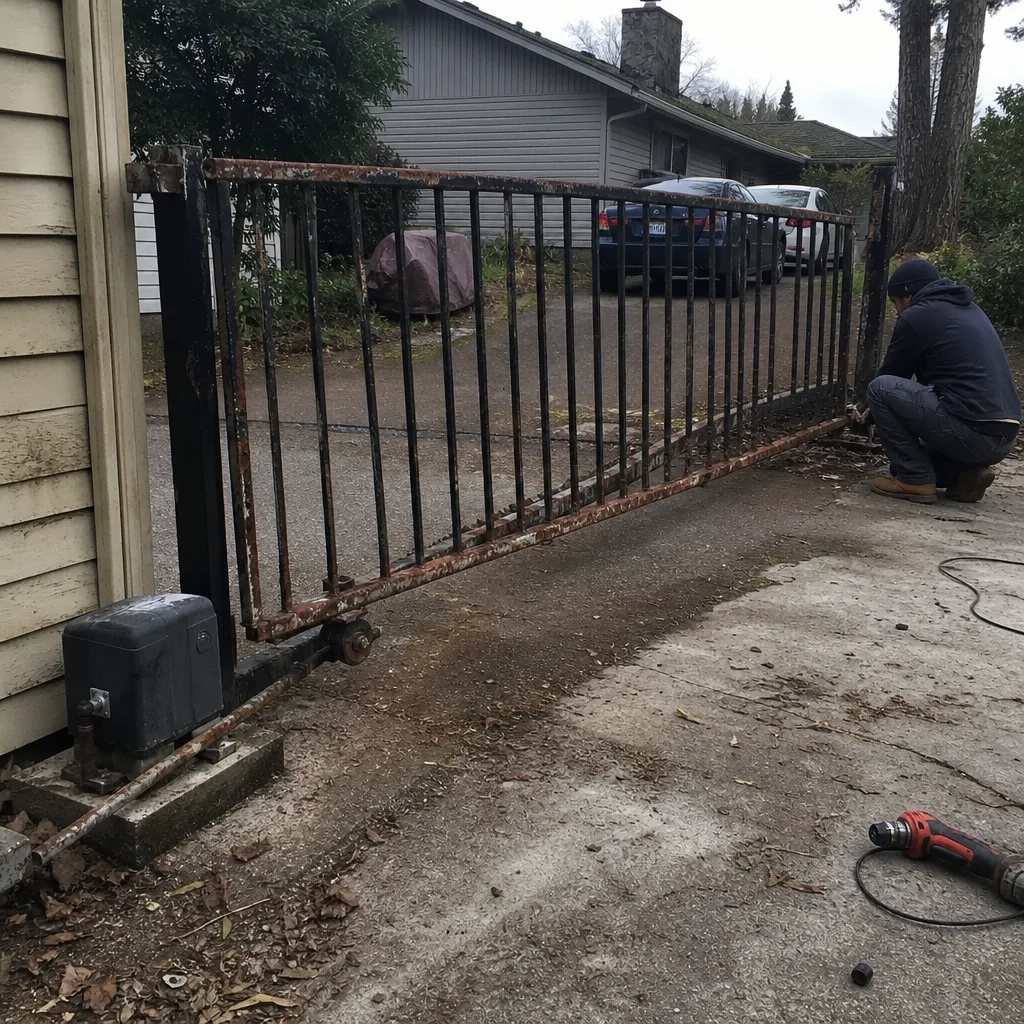 Before
 After
 Before
 After