
Last updated November 15, 2026
 Wrought iron
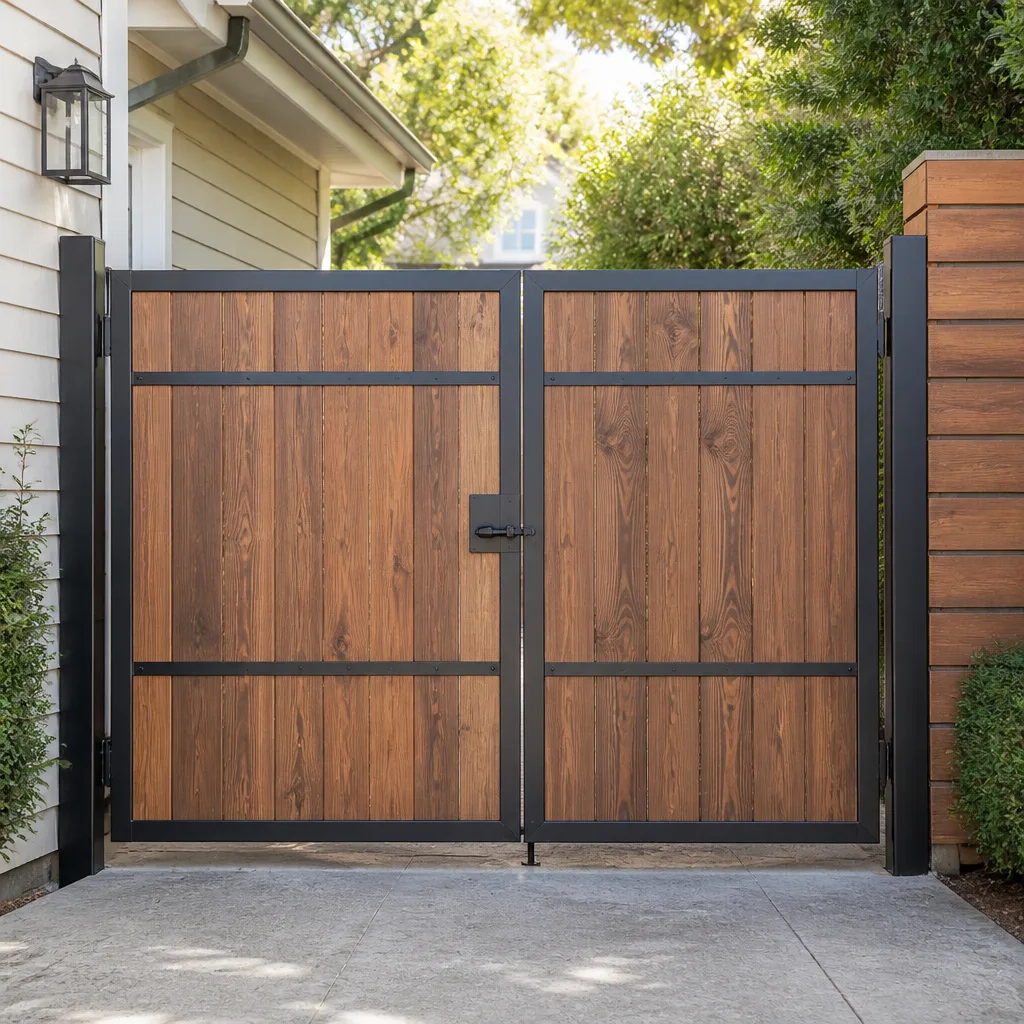 Wood & steel frame
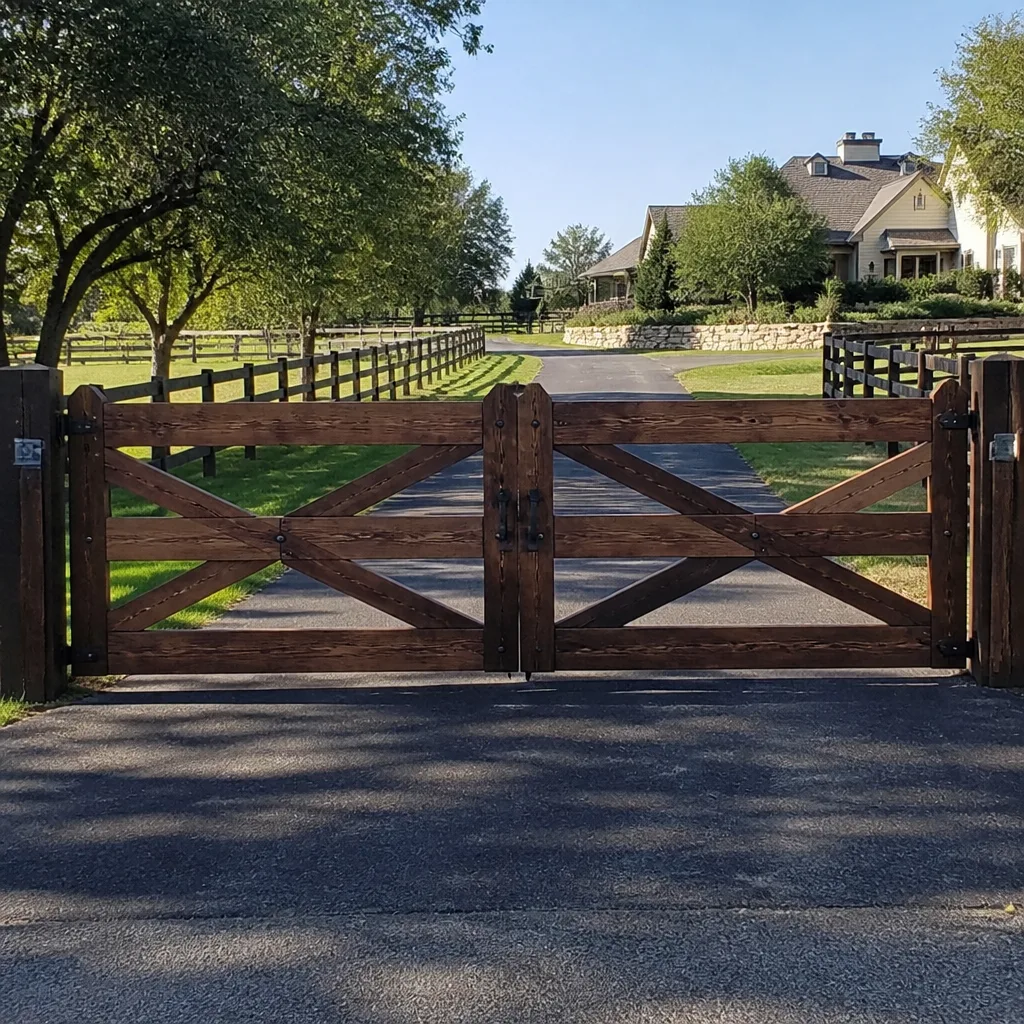 Farm & ranch
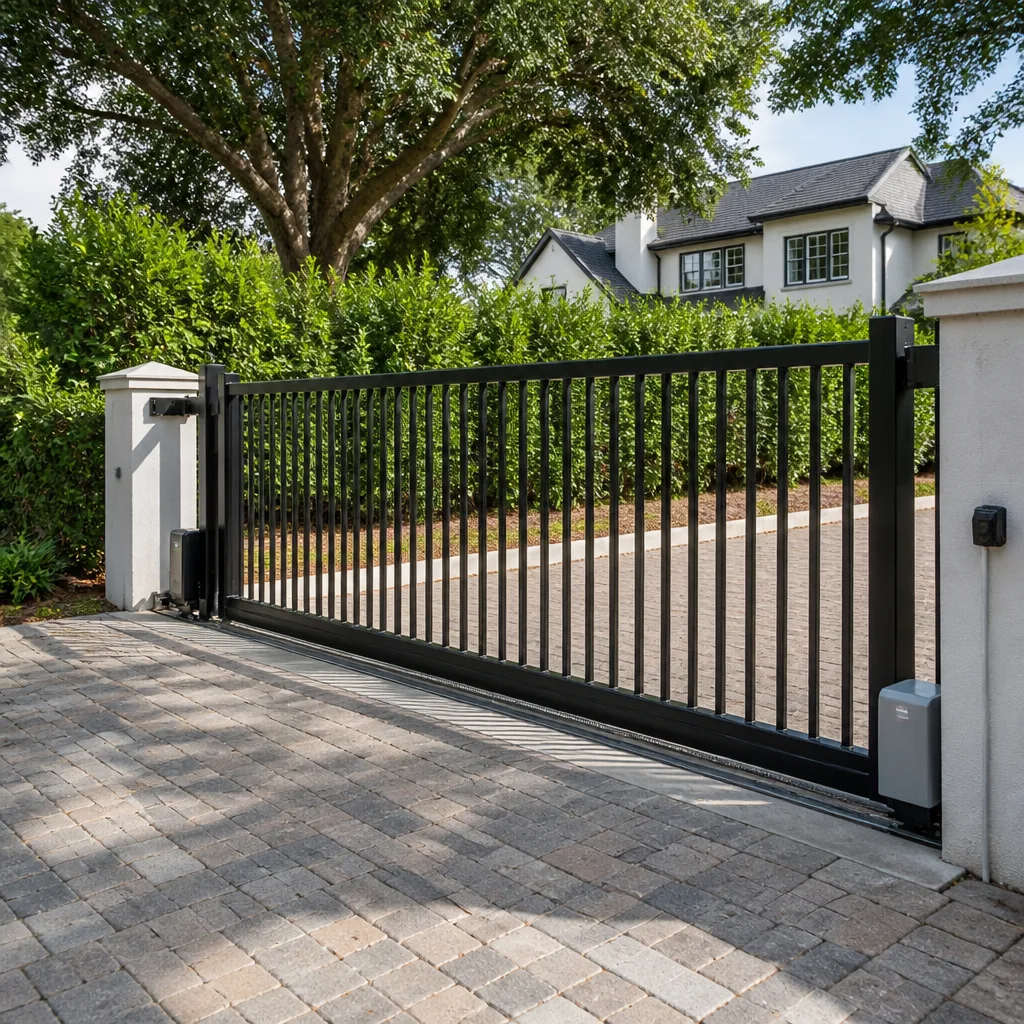 Sliding driveway gates
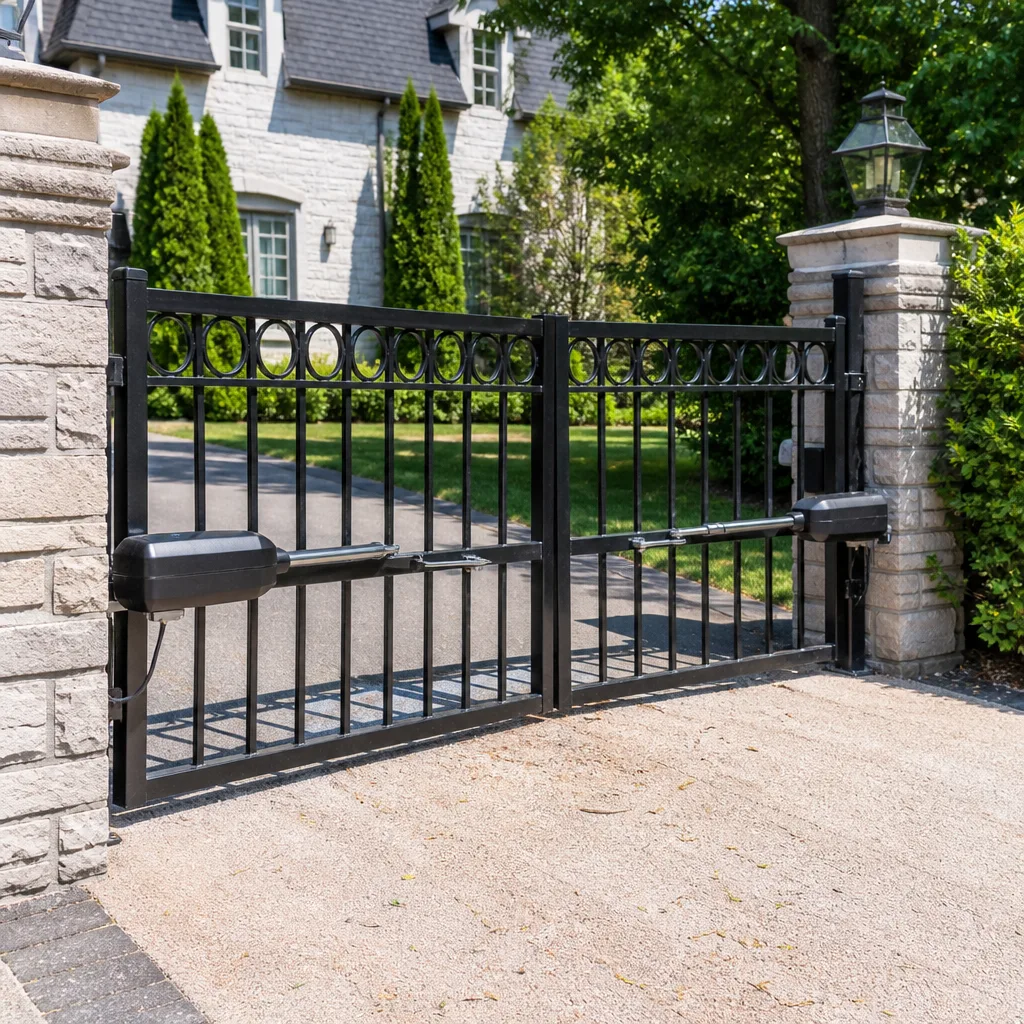 LiftMaster operators
Free on-site gate assessment - hinges, posts, and your LiftMaster or Nice gate operator checked before anything is quoted
The assessment is free and the quote is the invoice.
Get your free estimateSeasonal Gate Repair Care for Kent: Year-Round Homeowner’s Guide
Most gate care calendars you’ll find online are built for a place with four clean seasons. Kent doesn’t work that way. We get a long, wet stretch that keeps hardware damp for months and a short, dry summer that bakes it. That imbalance stresses gate systems in ways a generic seasonal checklist never accounts for. A gate that’s fine in a template climate can quietly corrode here while the homeowner waits for a “spring tune-up” that comes too late. This guide walks through what Kent’s microclimate actually does to your gate across all twelve months, and what to check and when.
Styles & brands we work with
- Wrought iron
- Wood & steel frame
- Farm & ranch
- Sliding driveway gates
- LiftMaster operators
Quick Answer
In Kent, gate care follows two real seasons, not four: a wet season from roughly November through April that attacks wiring, posts, and fasteners, and a short dry season from June through August that dries out seals and housings. The highest-value habits are clearing the gate’s travel path year-round, inspecting posts and anchors after winter, and sealing hardware before the fall rains return. Most of this you can check yourself; anything involving the operator’s wiring or a gate that won’t reverse safely belongs with a trained technician.
Table of Contents
- Why Kent’s Climate Reshapes Gate Care
- November to February: Continuous Saturation and What It Does
- March and April: Post-Winter Inspection Priorities
- June to August: Dry Heat on Seals, Housings, and Solar Batteries
- September and October: Pre-Wet-Season Sealing and Weatherproofing
- The Year-Round Task Most Homeowners Skip
- A Month-by-Month Gate Care Calendar for Kent
- Common Mistakes to Avoid
- When to Call a Professional
- Frequently Asked Questions
- The Bottom Line
Why Kent’s Climate Reshapes Gate Care
Kent averages 149 rainy days per year. That’s nearly five months of continuous moisture exposure spread across the year, and it means corrosion timelines on unprotected gate hardware run roughly twice as fast as manufacturer specs written for average U.S. conditions. When a manual says a hinge or anchor bolt should last a certain number of years, that estimate assumes a moderate mix of wet and dry. Here, the wet dominates. Metal stays damp longer, wood never fully dries between storms, and the undersides of operators and control boxes sit in persistent humidity.
The flip side matters too. Kent’s dry stretch is short and warm. Seals that stayed swollen and soft all winter dry out and can crack. Plastic housings that were fine in the rain get baked by direct sun. Rubber that was protected by constant moisture suddenly isn’t.
That asymmetry is the whole point of this guide. A four-seasons maintenance model splits the year into even quarters and treats each the same. Kent’s year splits unevenly: a long wet season that runs from late fall into spring, and a brief dry one in high summer. Your gate care should follow that rhythm, not a national template. We work on gates across Kent and see the same patterns repeat: the failures that show up in spring trace back to what happened in January, and the failures that show up in fall trace back to what happened in July.
November to February: Continuous Saturation and What It Does
This is the stretch that does the most hidden damage. It isn’t one big storm; it’s persistent, day-after-day moisture with little chance for hardware to dry out. Three areas take the hit.
Underground wiring conduit. The low-voltage wire that feeds an automated gate runs through buried conduit to the operator. Over time, joints, fittings, and the conduit itself can develop small breaches. In a climate that stays wet, water finds those breaches and sits inside the conduit instead of draining away. That’s when you get intermittent faults: a gate that works most days but hesitates after heavy rain, or an operator that trips a breaker for no obvious reason. Intermittent electrical behavior after wet weather is a classic sign of moisture in the wiring path, and it’s exactly the kind of thing that separates true electric gate repair from guesswork.
Ground-mounted operators. Operators that sit low to the ground, common on sliding gates, live in splash range. Rain bouncing off pavement and soil hits the housing and the cable entry points. Gaskets and seals that were fine in summer can let moisture in by midwinter. Check the housing for standing water around the base and look for water tracks or rust streaks near the cable entries.
Wooden post integrity at the base. Wood posts wick moisture from wet soil upward. The base, where the post meets the ground, is where rot starts, and it’s the part nobody looks at because it’s low and often behind landscaping. A post that’s soft at the base lets the whole gate sag and rack out of square, which then loads the hinges and the operator unevenly. Press a screwdriver into the wood at ground level. If it sinks easily, the post is compromised.
- Check the operator housing base for standing water or rust streaks
- Look at cable entry points for water tracks or corrosion
- Probe wood posts at ground level for softness
- Watch for intermittent electrical faults that appear after rain
March and April: Post-Winter Inspection Priorities
By early spring, the wet season has put your gate through months of stress. Freeze-thaw cycles, even mild ones, work fasteners loose and move anchors. This is the window to catch what winter loosened before it turns into a bigger repair. Here’s the order we’d check things in:
- Foundation anchor bolts. The bolts holding hinge posts and operator mounts can work loose as soil shifts through wet-and-dry cycles. Check for wiggle at the post base and for bolts that turn too easily or show rust at the shank.
- Fasteners throughout the gate frame. Every bolt and screw on the frame and hinges is a candidate for loosening after months of thermal movement and vibration from operation.
- Hinge wear and sag. Open and close the gate by hand, if it’s a manual or you’ve disengaged the operator. It should swing or slide smoothly. Binding, squealing, or a gate that drags at one end points to hinge wear or post movement.
- Operator mounting and alignment. The operator should sit square to the gate. Spring is when winter-shifted posts throw alignment off, and a misaligned operator strains the motor on every cycle.
- Paint and finish on metal. Look for chips and scratches where bare metal is exposed. These are the seed points for corrosion going into the next wet season.
If your gate uses a brand like LiftMaster or FAAC, these spring checks apply to the mechanical side regardless of the electronics. The motor and control board get their own attention, but loose anchors and worn hinges affect every brand the same way. Catching them in March and April means the fix is a tightening and an adjustment, not a post replacement later.
June to August: Dry Heat on Seals, Housings, and Solar Batteries
The dry stretch stresses your gate differently, and it’s easy to ignore because nothing looks wet or rusty. Three things deserve attention.
Rubber seals and gaskets. The weatherstripping and seals that kept moisture out all winter dry out and can crack or shrink in summer heat. A cracked seal is a future leak. Inspect seals around the operator housing, control box, and any enclosure. If a seal feels brittle or shows cracks, it needs replacing before the rains return.
Plastic housings and covers. Direct sun on plastic housings and covers can warp, fade, or make them brittle over time. Check that covers still seat properly and that latches hold. A cover that’s warped out of shape no longer keeps water out when it matters.
Solar-assisted battery systems. If your gate runs on a solar-assisted operator, summer is actually the good season for the panel and the battery. More sun means more charge. But heat is hard on batteries, and a battery that’s aging can fail in the heat even while the panel is producing well. If the gate starts acting sluggish or the operator reports low voltage on hot days, the battery is a likely suspect. Brands like Mighty Mule that many homeowners run on solar are especially worth watching through the summer.
Summer is also when dust and dry debris build up in the gate’s travel path. We’ll get to that, because it’s the single most overlooked issue of the whole year.
September and October: Pre-Wet-Season Sealing and Weatherproofing
This is the most valuable window of the year. Everything you seal and tighten in early fall protects your gate through the long wet months ahead. Think of it as closing up the house before the rain.
Here’s a pre-wet-season protocol specific to Pacific Northwest gate hardware:
- Seal exposed metal. Touch up paint chips and scratches on the gate frame and hinges. Bare metal is where corrosion starts, and once the wet season begins, you won’t get a dry window to paint.
- Inspect and replace worn seals. Replace any rubber seals and gaskets that cracked during the dry summer. Confirm the operator housing and control box close tightly.
- Check the wiring path. Look at the conduit and cable entry points for gaps or damage. The goal is to keep water out of the conduit, not to find it there in January.
- Tighten and lubricate. Re-torque fasteners one more time before the wet season. Lubricate hinges and moving parts with a product suited to wet conditions, not a light oil that washes away.
- Treat or seal wood. If you have wooden posts or a wooden gate, apply a penetrating sealer before the rain. Dry wood absorbs treatment far better than damp wood, which is why fall is the right time.
- Clear drainage around posts and operators. Make sure water drains away from the base of posts and the operator rather than pooling against them.
Do this in September or early October while surfaces are dry. It’s the difference between a gate that coasts through winter and one that hands you a repair bill in February. Our gate repair calls pick up noticeably once the fall rains settle in, and most of what we find traces back to a step that got skipped in this window.
The Year-Round Task Most Homeowners Skip
If there’s one habit that prevents more “my gate is broken” calls than any other, it’s keeping the gate’s travel path clear. It sounds too simple to matter. It matters constantly.
Automated gates rely on safety sensors and force limits to know when something is in the way. When debris, leaves, twigs, gravel, or a windblown branch collects in the track or the swing path, the gate hits resistance. The safety system reads that resistance and reverses the gate, which is exactly what it’s supposed to do. But from the homeowner’s seat, it looks like a malfunction: the gate stops halfway, reverses for no reason, or refuses to close. People assume the operator or the motor has failed. Often it hasn’t. The path is just blocked.
In Kent, this is a year-round chore because there’s no long frozen season to pause debris. Fall brings leaves. Winter brings wet debris that sticks and packs down. Spring brings growth along the fence line. Summer brings dry dust and gravel. The travel path never gets a break.
- Sliding gates: clear the track of leaves, grit, and gravel, and check that the gate’s rollers run clean
- Swing gates: clear the arc the gate sweeps, and keep plants and landscaping trimmed back
- Safety sensors: wipe them clean of dirt, cobwebs, and dust, and confirm nothing blocks the beam
- After storms: check the path for branches and debris before assuming the gate has failed
Make this a quick weekly check. It takes a couple of minutes and it prevents the most common false alarm there is. A gate that reverses on its own is telling you the safety system works. Give it a clear path and it stops complaining.
A Month-by-Month Gate Care Calendar for Kent
Here’s how the year lays out in practice. This is the rhythm we’d suggest for any automated gate in Kent, whether it’s a residential Gate Repair Kent system or a commercial-grade setup.
- November to February (wet season): check operator housing for water intrusion, watch for intermittent electrical faults after rain, probe wood posts at the base for rot, and keep the travel path clear of wet debris.
- March and April (post-winter): full mechanical inspection. Anchor bolts, frame fasteners, hinge wear, operator alignment, and paint condition. Fix loose or worn parts now.
- June to August (dry season): inspect rubber seals and plastic housings for heat damage, watch solar-assisted batteries for sluggish performance, and clear dry dust and gravel from the travel path.
- September and October (pre-wet-season): seal and touch up metal, replace worn seals, check the wiring path, tighten and lubricate, treat wood, and confirm drainage away from posts and operators.
- Year-round: clear the travel path weekly, wipe safety sensors, and check after every storm.
The point of the calendar is to catch each problem in the season where the fix is cheap. A loose anchor caught in spring is a tightening. The same anchor ignored until fall is a sagging gate and a strained operator. A cracked seal replaced in summer is an inexpensive part. The same seal ignored through winter is water in the control box.
Common Mistakes to Avoid
- Treating Kent like a four-seasons climate. A national maintenance template splits the year into even quarters, but Kent’s wet season is far longer than its dry one. Follow the actual weather here, not the calendar on a generic checklist.
- Waiting for spring to start. The failures that show up in spring are set in motion during the winter. Sealing and tightening in fall prevents most of what a spring inspection would otherwise have to fix.
- Ignoring the base of wood posts. Rot starts where the post meets the ground and works upward. By the time a post looks bad above ground, the base has been compromised for a while. Probe it at ground level.
- Blaming the motor for a blocked path. A gate that reverses or stops halfway is often reacting to debris in the travel path or a dirty safety sensor, not a failed operator. Clear the path and clean the sensors before assuming the motor is the problem.
- Skipping the wiring path. The conduit and cable entry points are out of sight, so they get ignored. Then an intermittent fault after rain gets misdiagnosed as an electronics failure. Water in the conduit is a wiring issue, not a motor issue.
- Using the wrong lubricant. A light oil keeps hinges moving in dry weather but washes away fast in a wet climate. Use something suited to wet conditions, applied before the rains rather than after problems start.
- Letting cracked seals go through winter. A seal that cracked in summer heat looks harmless by fall. It isn’t. A cracked seal on the control box lets water reach electronics that were never meant to get wet.
When to Call a Professional
Some gate issues are genuine DIY territory: clearing the travel path, wiping safety sensors, tightening a visibly loose bolt, touching up paint. Others are not. Call a trained technician when you have water inside the operator housing or control box, because the operator’s wiring and power are dangerous and running a board that’s been wet can lead to shorts, failed components, or a shock hazard. Call when the gate reverses unpredictably even with a clear path, when a post has rotted at the base, when anchor bolts spin freely or pull loose from the foundation, or when an intermittent electrical fault keeps coming back after rain. And call if you’re unsure, because misdiagnosing a gate problem usually costs more than getting it right the first time.
We’re gate specialists, not generalists. Our technicians have up to 12 years of experience, and we work on the brand already on your property, from residential systems like Mighty Mule, Ghost Controls, and Linear to commercial-grade operators from FAAC, BFT, and DoorKing, plus LiftMaster, Viking, and Elite. Gate Repair Kent offers free estimates in Kent. Call (855) 360-7358. We answer 24/7, with fast dispatch from 7am to 7pm, Sunday through Friday.
Frequently Asked Questions
Two full checkpoints a year works best here, with quick checks in between. Do a thorough mechanical inspection in March or April once the wet season eases, and a sealing and weatherproofing pass in September or October before the rains return. Those two visits catch most problems in the season where the fix is cheap. Between them, clear the travel path and wipe the safety sensors weekly. Call (855) 360-7358 for a free estimate on a service visit.
A gate that reverses or stops halfway is usually hitting resistance, not failing electrically. Debris in the track or swing arc, packed leaves, gravel, or a dirty safety sensor will make the safety system reverse the gate exactly as designed. Clear the travel path, wipe the sensors, and test it. If it still reverses with a clear path, call (855) 360-7358 for a free estimate.
Yes. With 149 rainy days a year, unprotected gate hardware corrodes roughly twice as fast as manufacturer specs written for average U.S. conditions. The fix isn’t exotic: seal exposed metal, replace worn seals, keep water out of the wiring path, and lubricate with a wet-conditions product before the fall rains. A little prep in September and October buys a lot of life. Call (855) 360-7358 for a free estimate.
Often it’s the wiring path, not the motor. The buried conduit that feeds an automated gate can develop small breaches, letting water sit inside and cause intermittent faults that show up after heavy rain. That’s a wiring and waterproofing issue. Because the operator’s wiring and power are dangerous, this is a job for a trained technician, not a DIY check. Call (855) 360-7358 for a free estimate.
Watch the battery in the heat. Summer sun keeps the panel producing well, but heat ages batteries, and a battery that’s failing can make the gate sluggish or trigger low-voltage warnings on hot days. Check for heat-damaged seals and warped plastic covers at the same time, and get them replaced before fall. Brands like Mighty Mule on solar setups especially benefit from a summer look. Call (855) 360-7358 for a free estimate.
Yes. We cover the full gate lifecycle: repair, electric gate repair, and new gate installation. If your current gate can be fixed, we fix it. If the spring inspection shows it’s beyond economical repair, we can handle the replacement and installation too, so you deal with one company from the motor to the hinge. Call (855) 360-7358 for a free estimate.
The Bottom Line
Kent’s gate care isn’t about four neat seasons. It’s about a long wet stretch from November through April and a short, dry summer, with two valuable checkpoints in between: a spring inspection that catches what winter loosened, and a fall weatherproofing pass that seals your hardware before the rains return. Alongside both, the one habit that prevents the most problems is keeping the travel path clear so safety reversals don’t get mistaken for a failed motor. Handle the simple checks yourself. Call a trained technician for anything involving the operator’s wiring, a gate that reverses unpredictably, or posts that have rotted at the base. Do you need a hand with your gate in Kent? Call (855) 360-7358 for a free estimate. We answer 24/7, with fast dispatch from 7am to 7pm, Sunday through Friday.
Written by the team at Gate Repair Kent.
See the difference
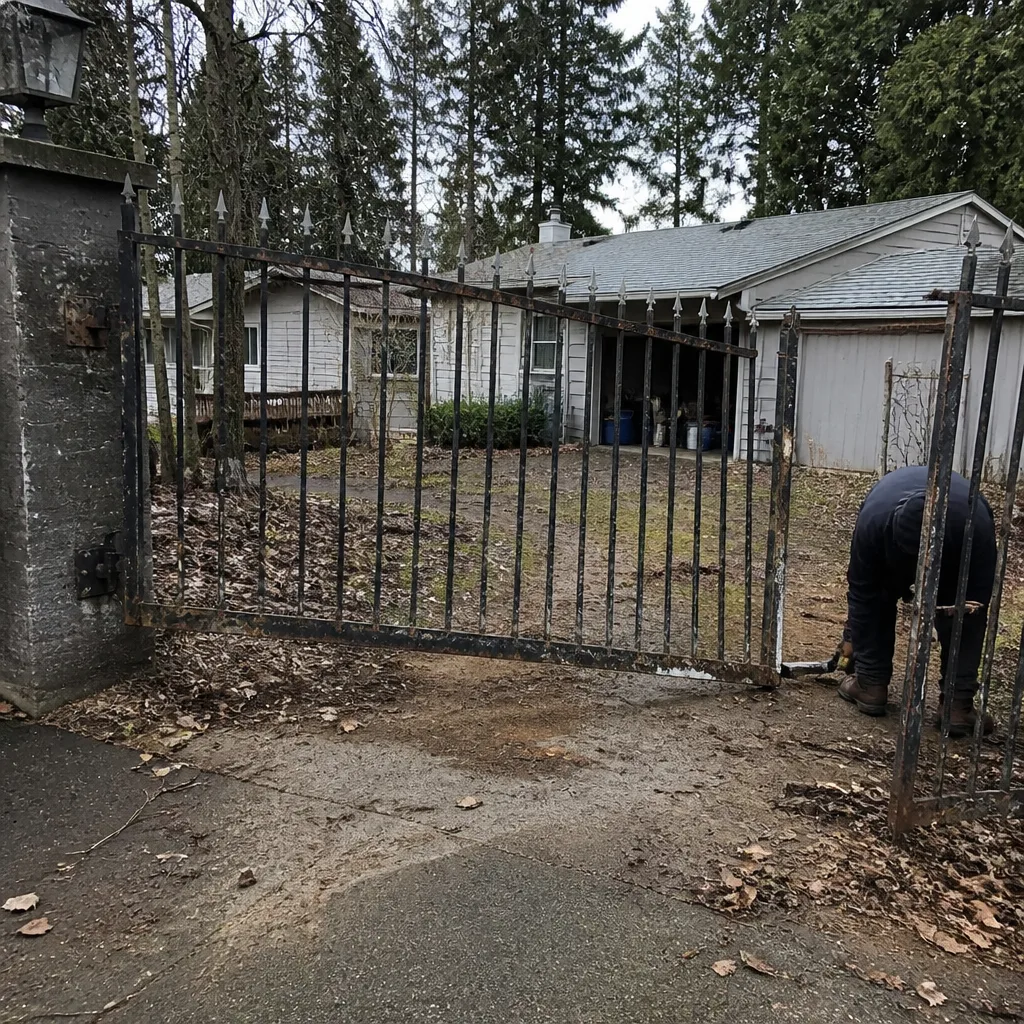 Before
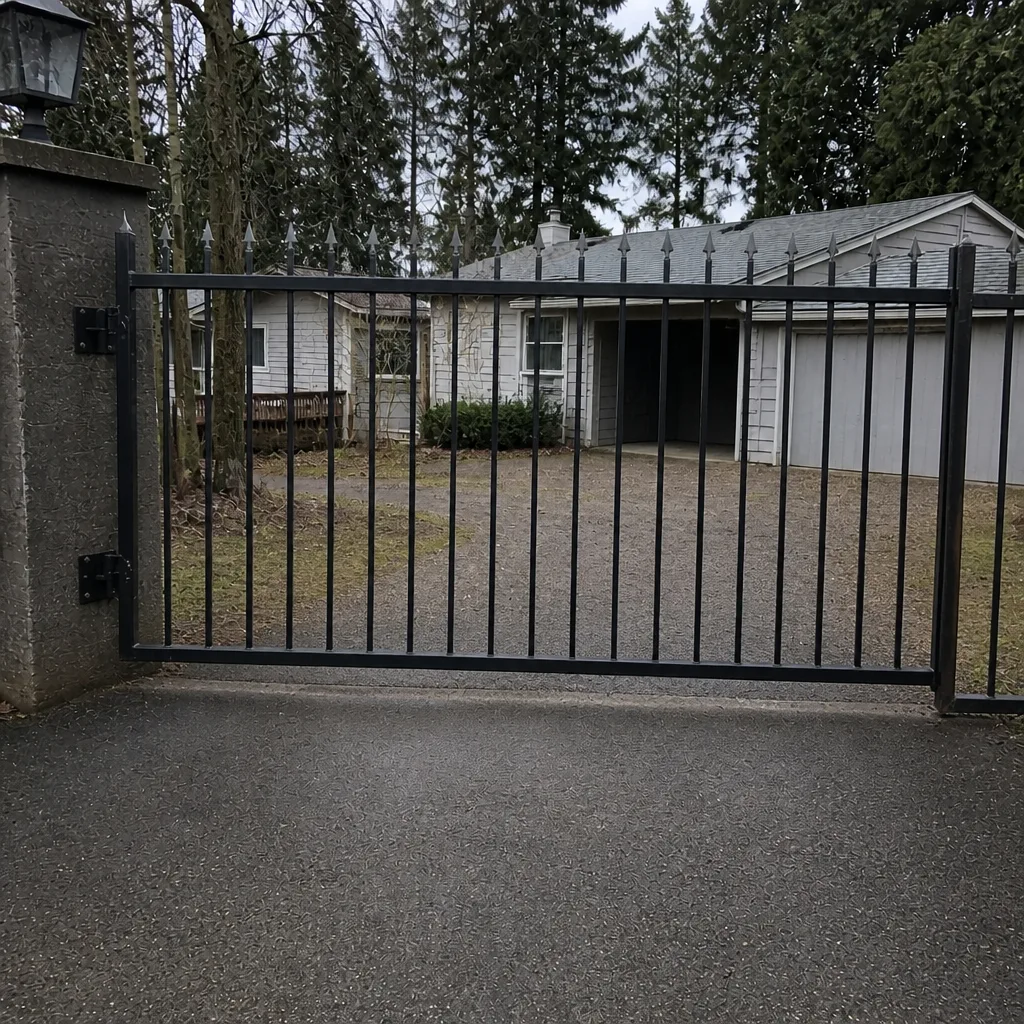 After
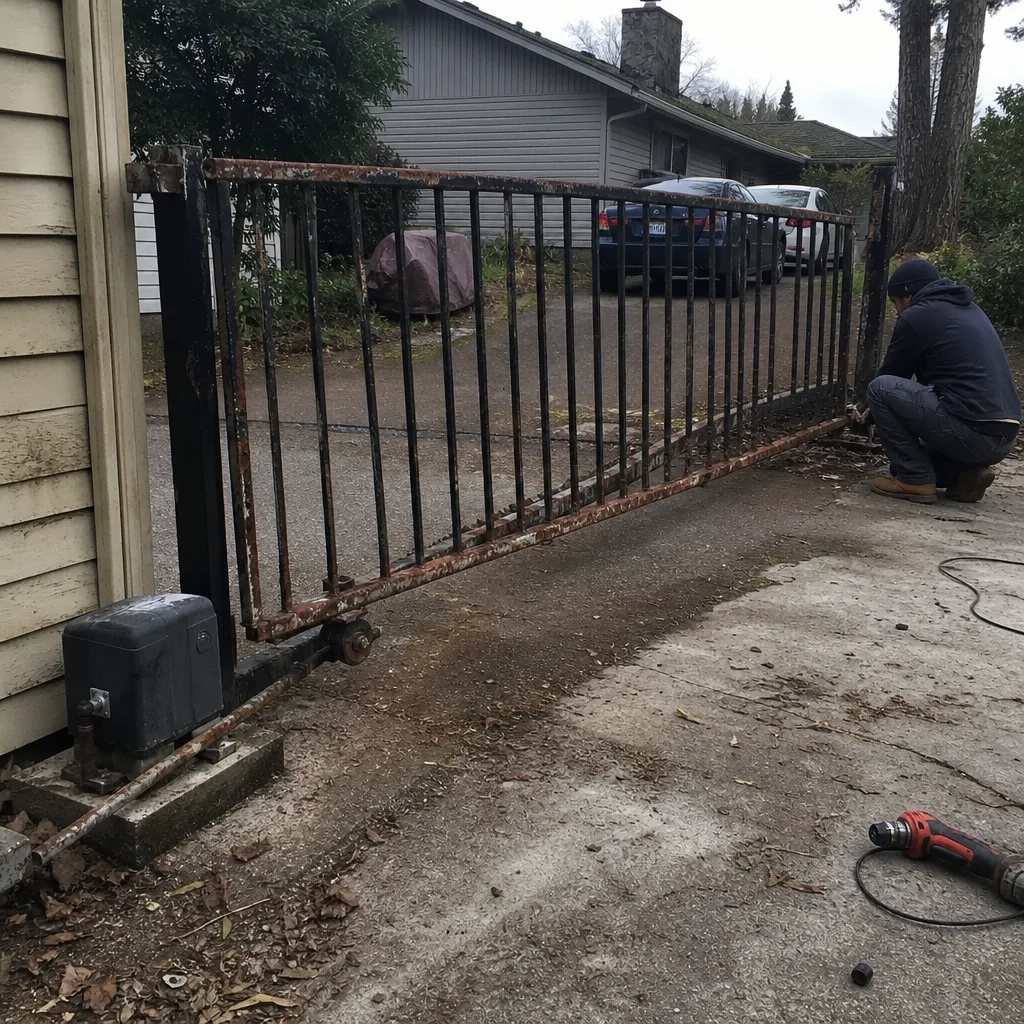 Before
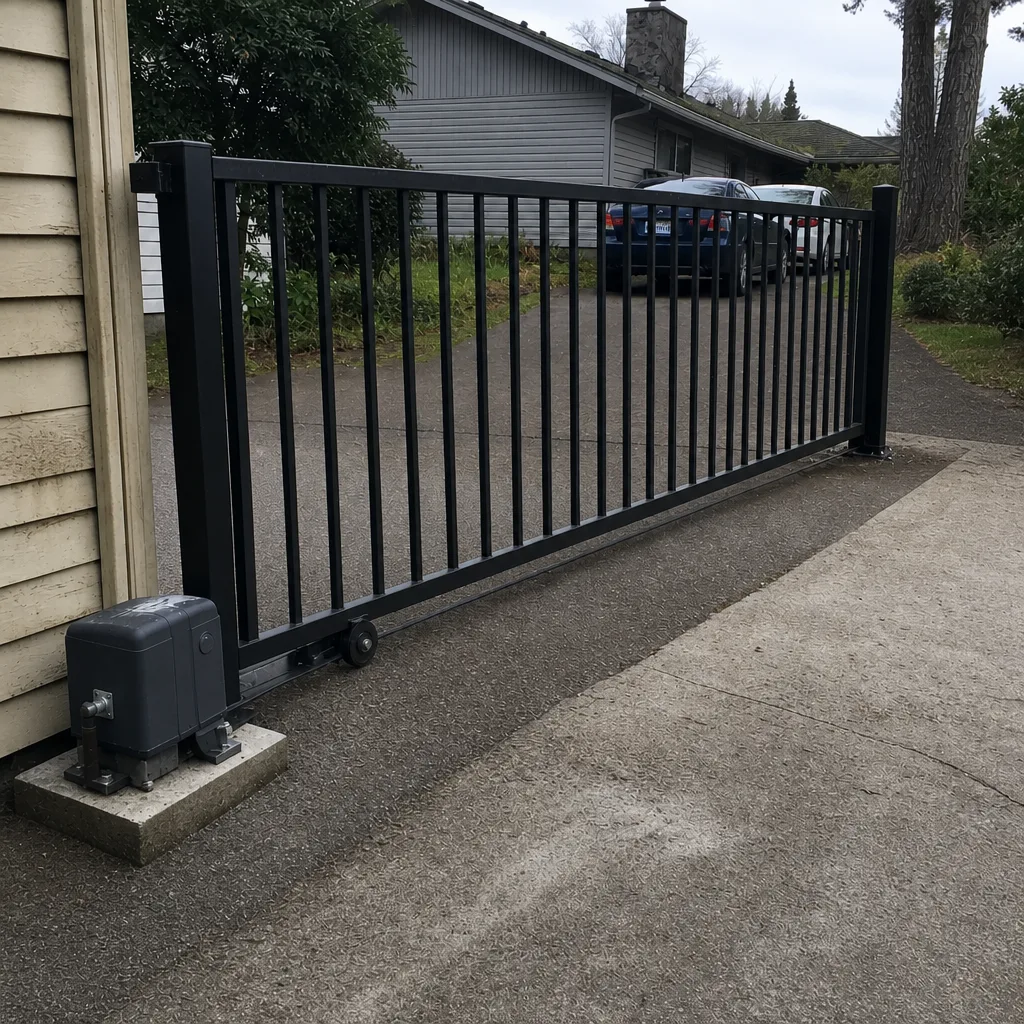 After
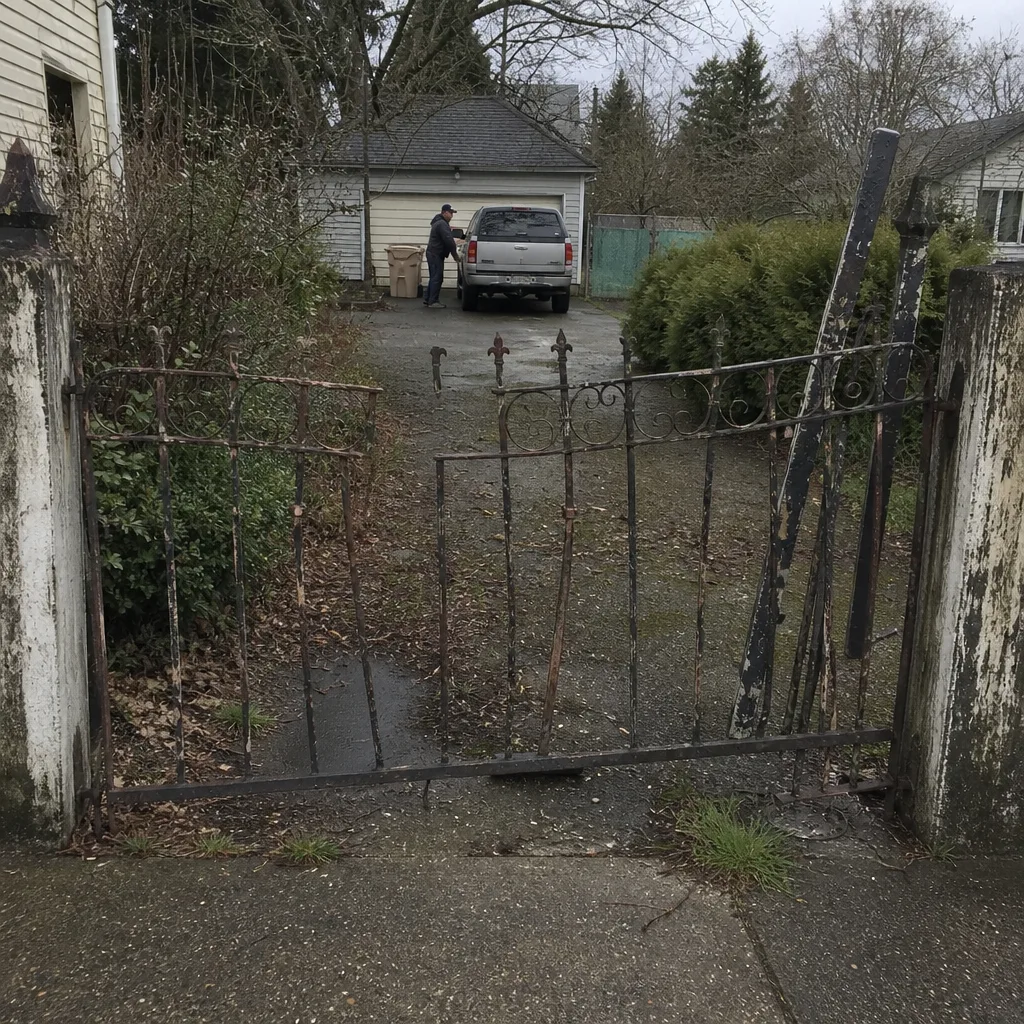 Before
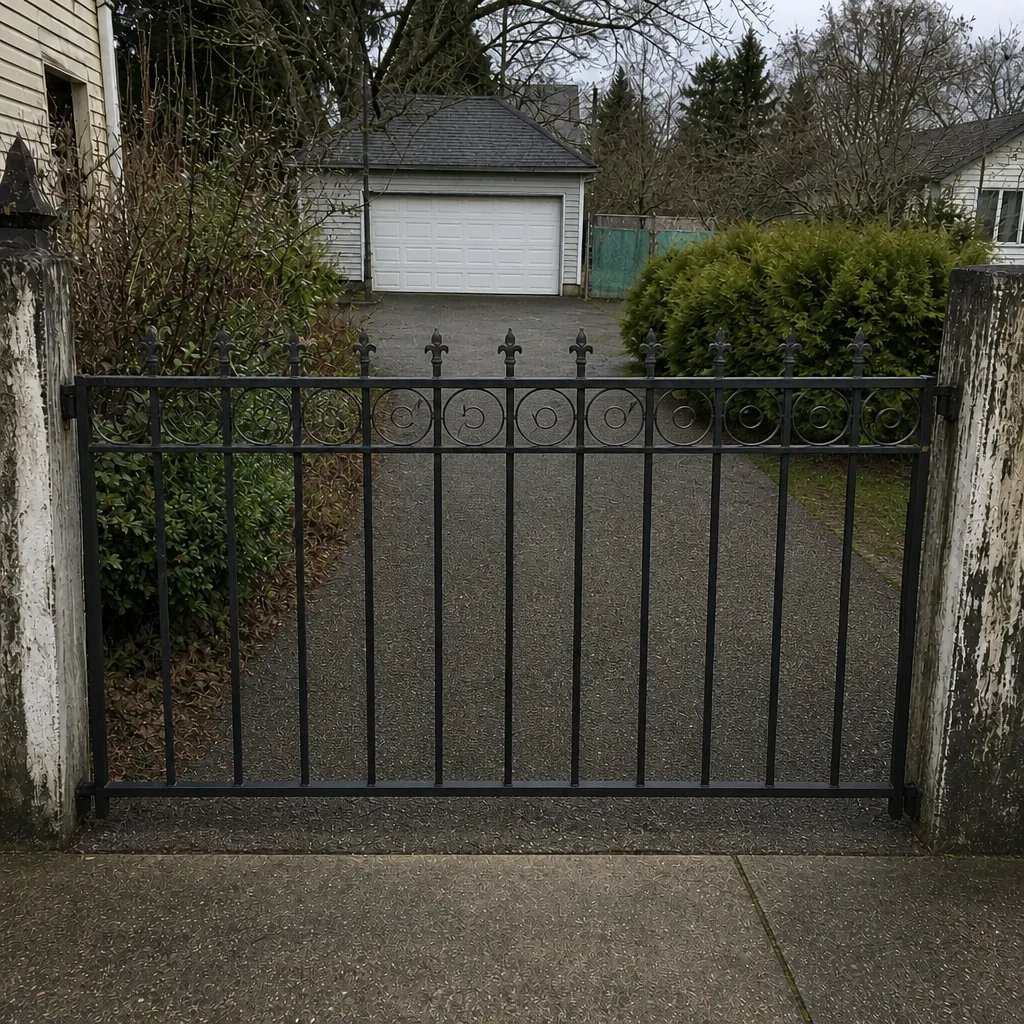 After